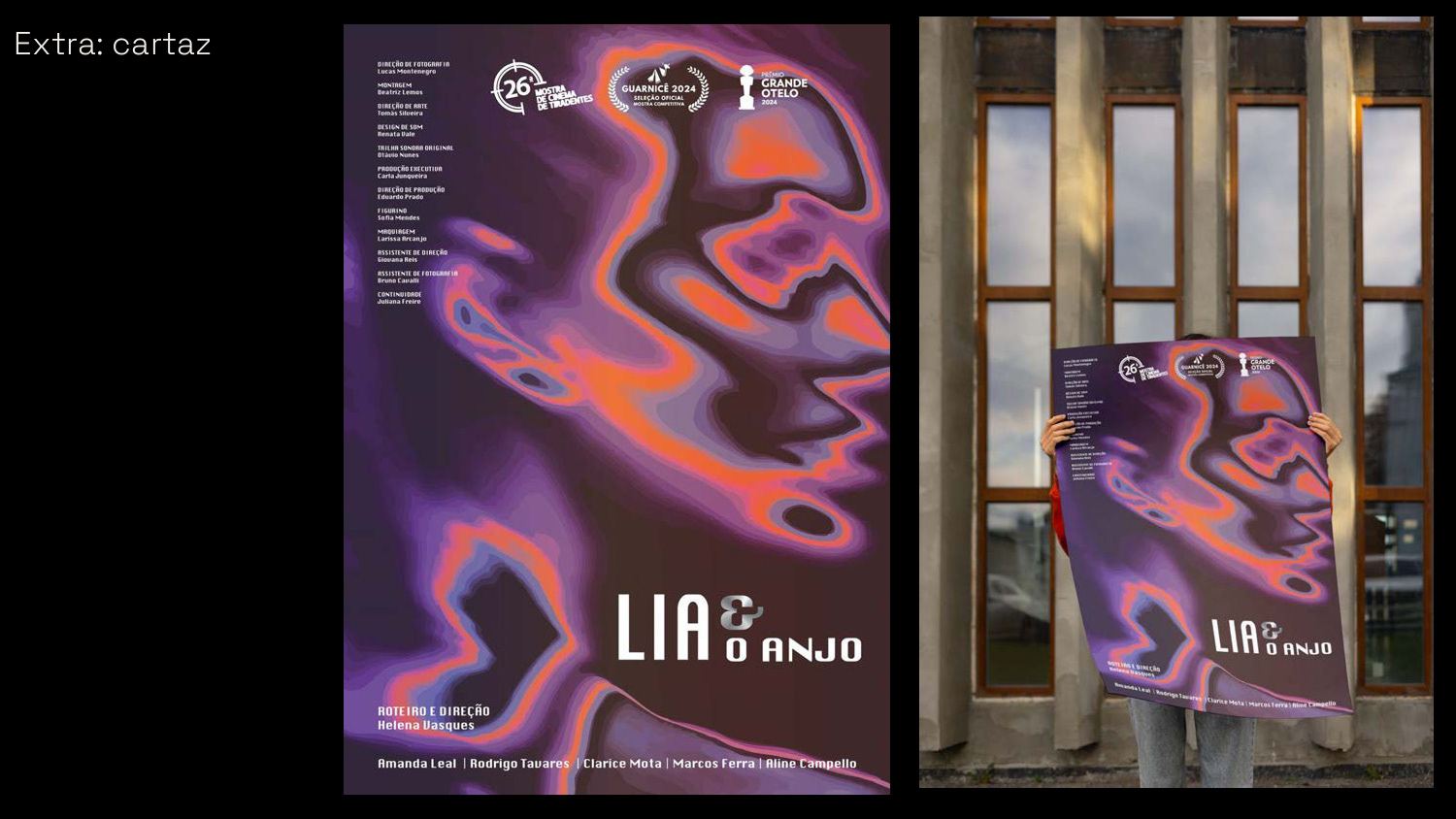
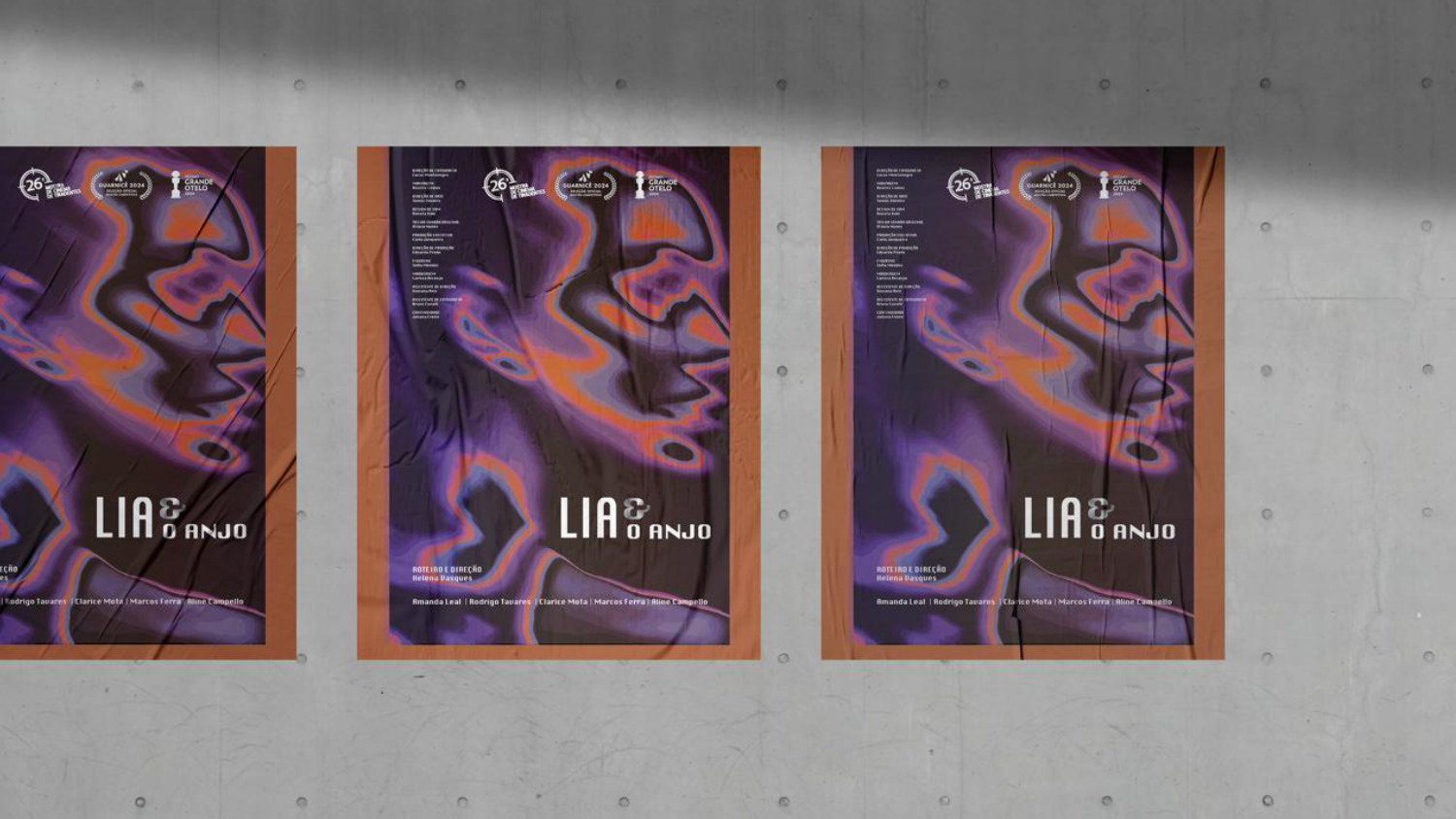
Para a disciplina "Direção de Arte em TV, Cinema e Vídeo" da Pós em Direção de Arte e Comunicação, desenvolvi em grupo o projeto visual para o curta-metragem Lia e o Anjo, baseado em um roteiro de Elzmann Neves inspirado no poema The Angel, de William Blake.
A proposta foi ousada: reimaginar a história num cenário futurista, a partir do ano 2100. Em vez de uma relação mística com o sobrenatural, a conexão de Lia com o “anjo” foi reinterpretada como um vínculo com a tecnologia – mais precisamente com um ciborgue. Esse deslocamento de tempo permitiu refletir sobre o quanto o que consideramos divino pode um dia se tornar apenas... programável.
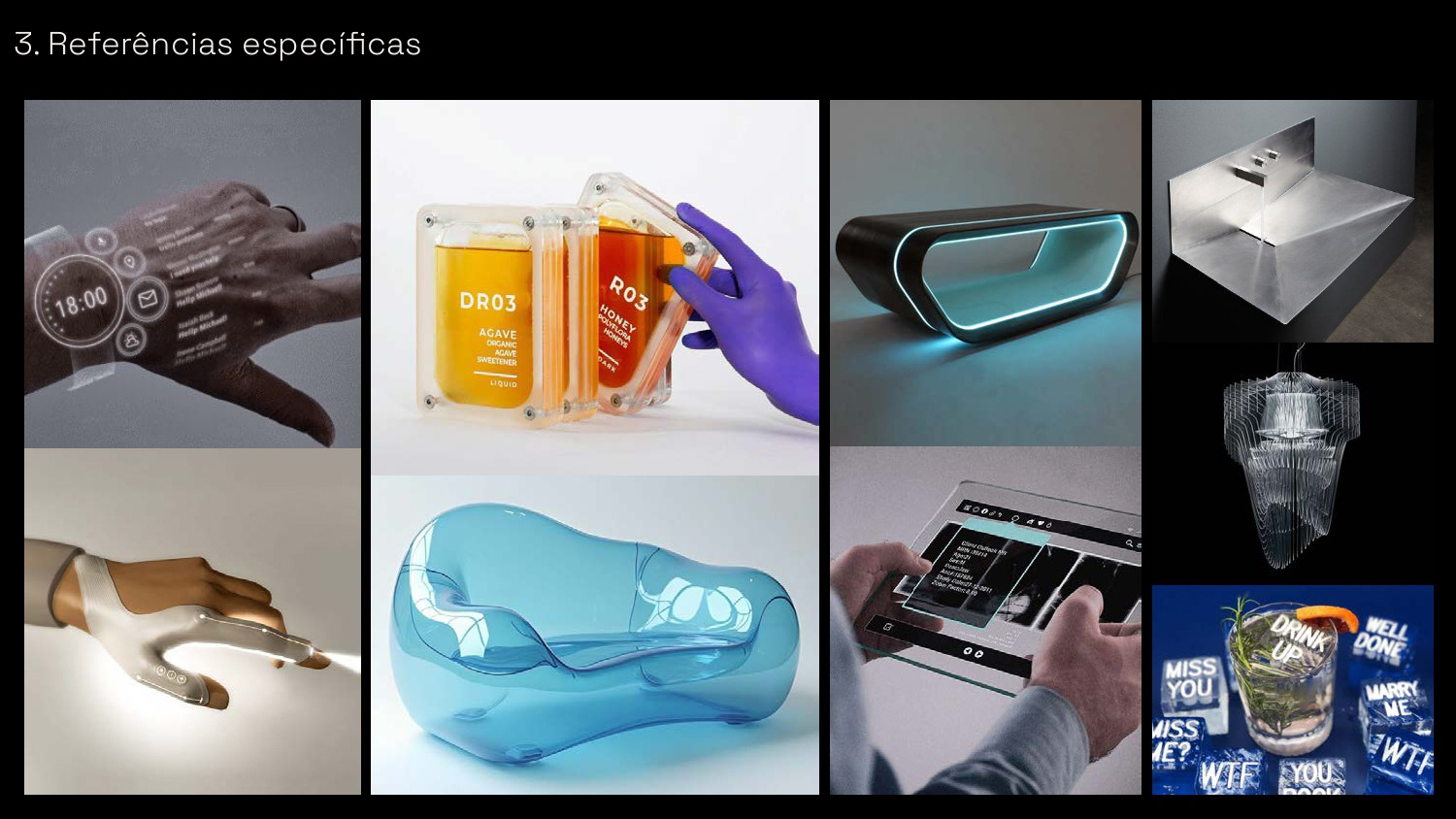
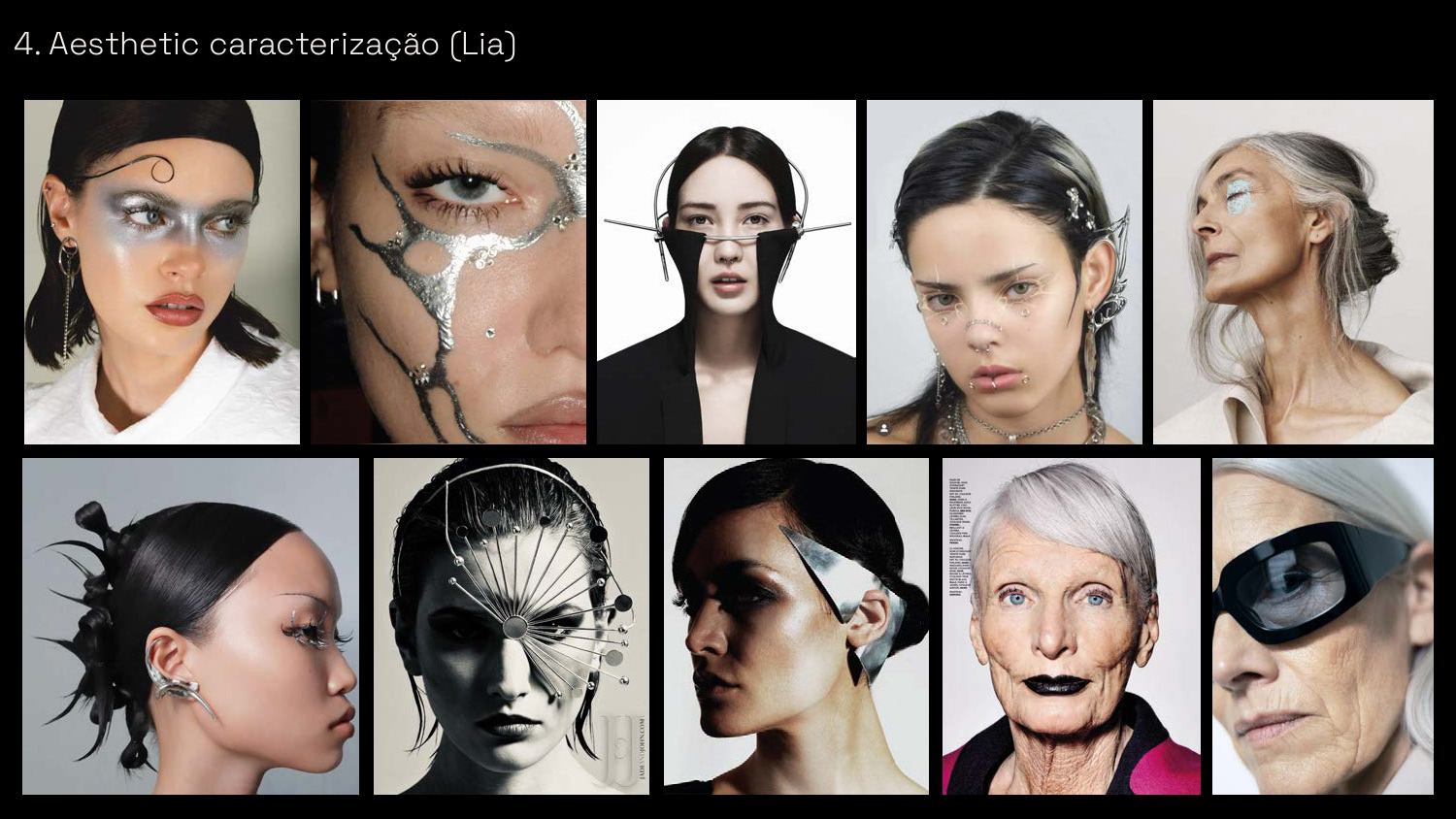
Toda a direção de arte foi guiada por essa ambiguidade: entre o frio e o afeto, o metálico e o humano. O futurismo se manifesta nos materiais — aço, vidro, pedra e superfícies claras como prata e branco — e nas transformações simbólicas dos figurinos e cenários ao longo da vida da personagem.
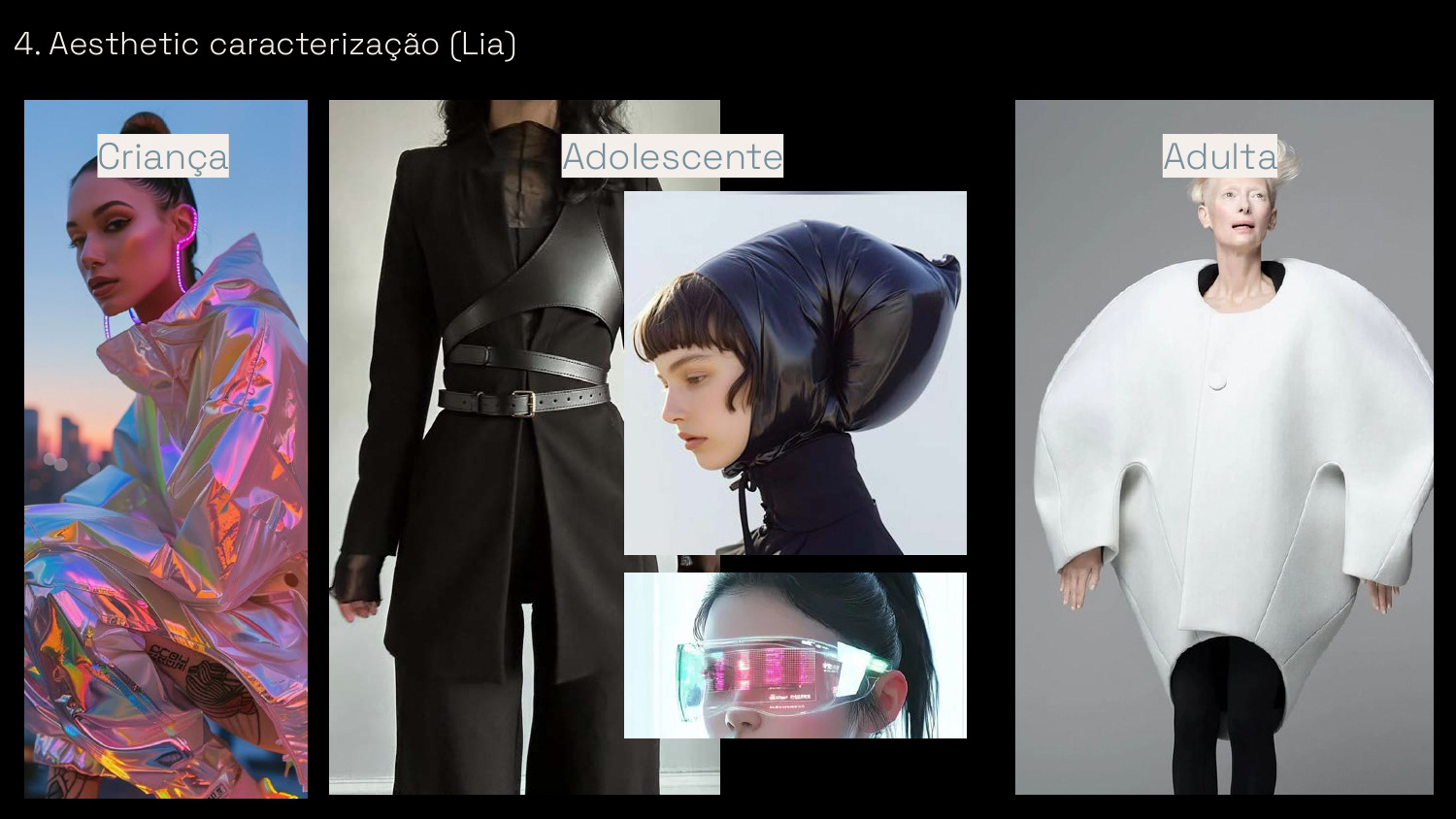
Na infância, Lia vive em um universo mais colorido e espontâneo. Já adolescente, após o conflito com o anjo, mergulha em tons escuros e uma estética cyberpunk. Na fase adulta, quando o reencontro acontece, o branco e a suavidade retornam – sinalizando cura e reconciliação.
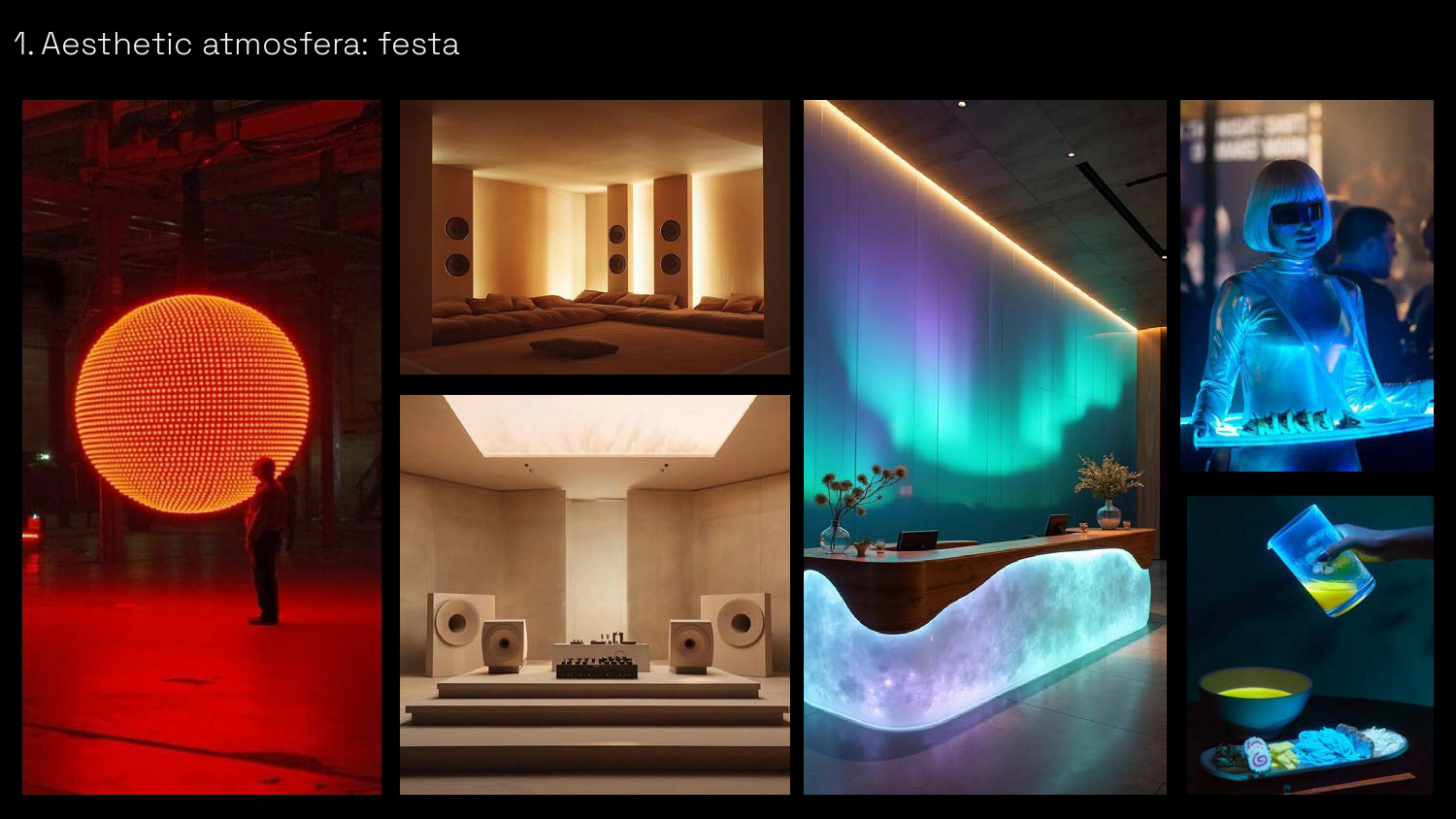
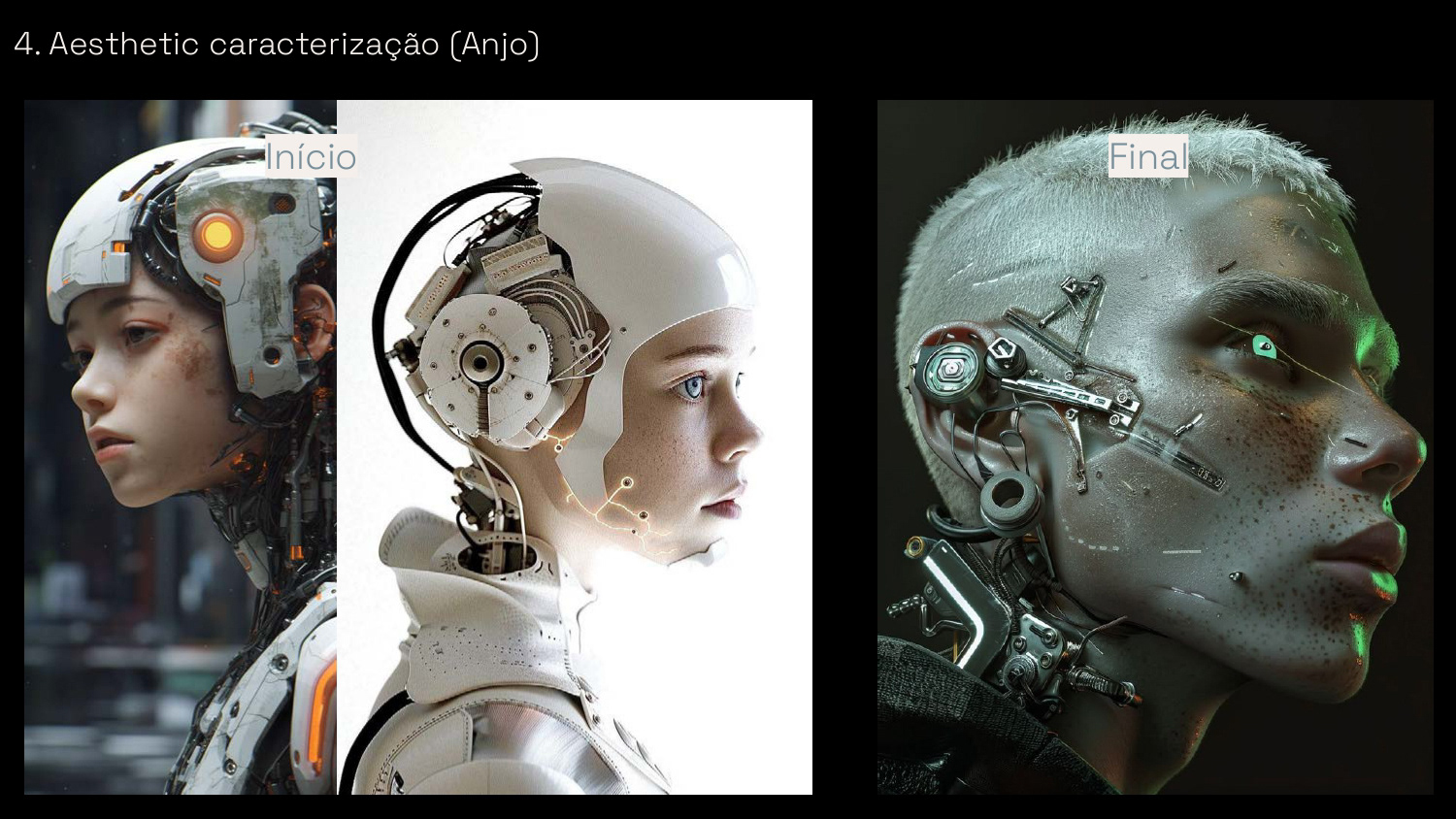
Essa mesma lógica emocional rege a ambientação da festa: começa com tecidos leves, cores quentes e formas arredondadas; mas conforme Lia se sente deslocada, o espaço se torna duro, metálico e azulado. O anjo, inicialmente infantilizado, ganha contornos mais humanos com o tempo, abandonando aos poucos sua aparência mecânica.
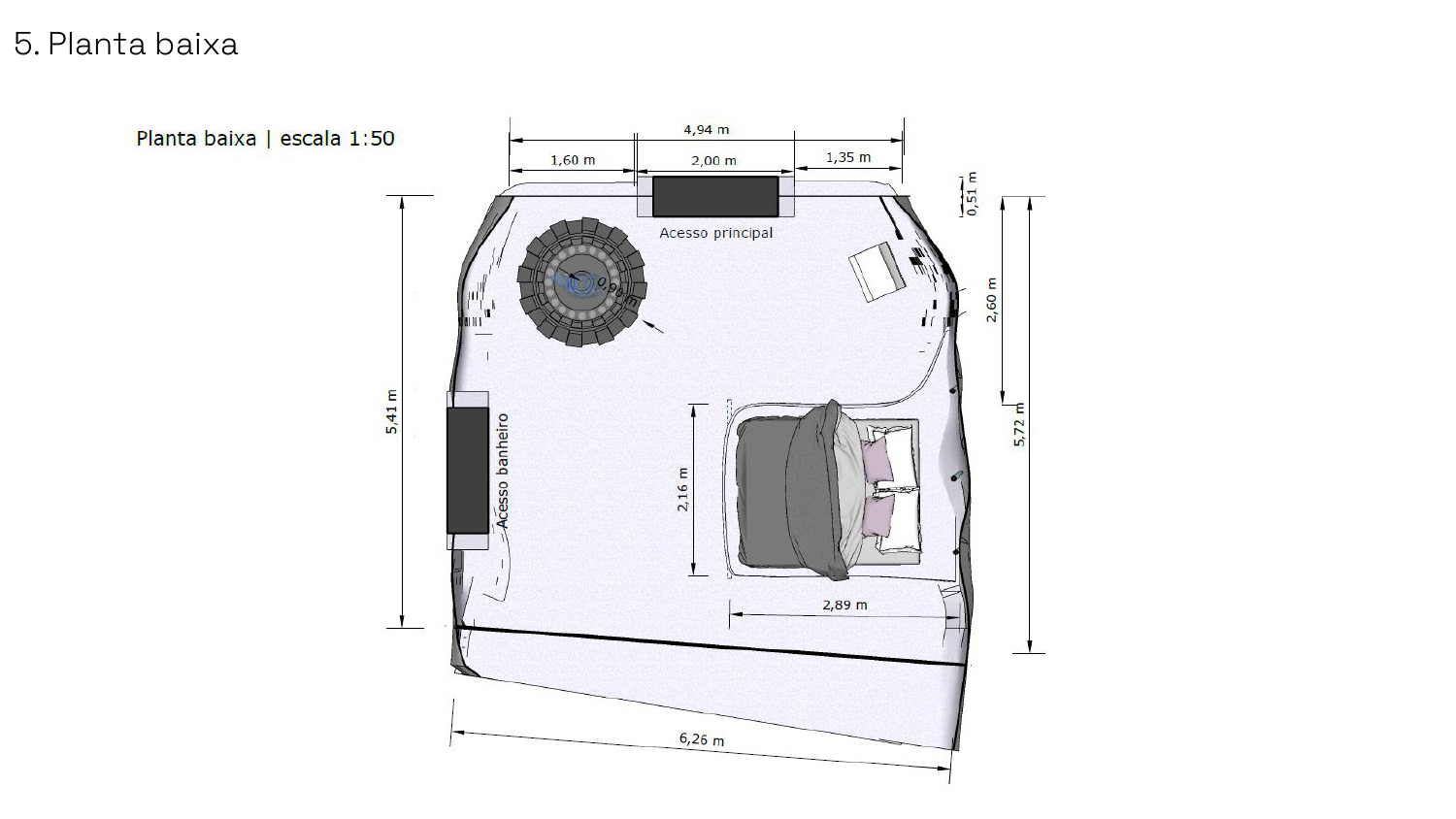
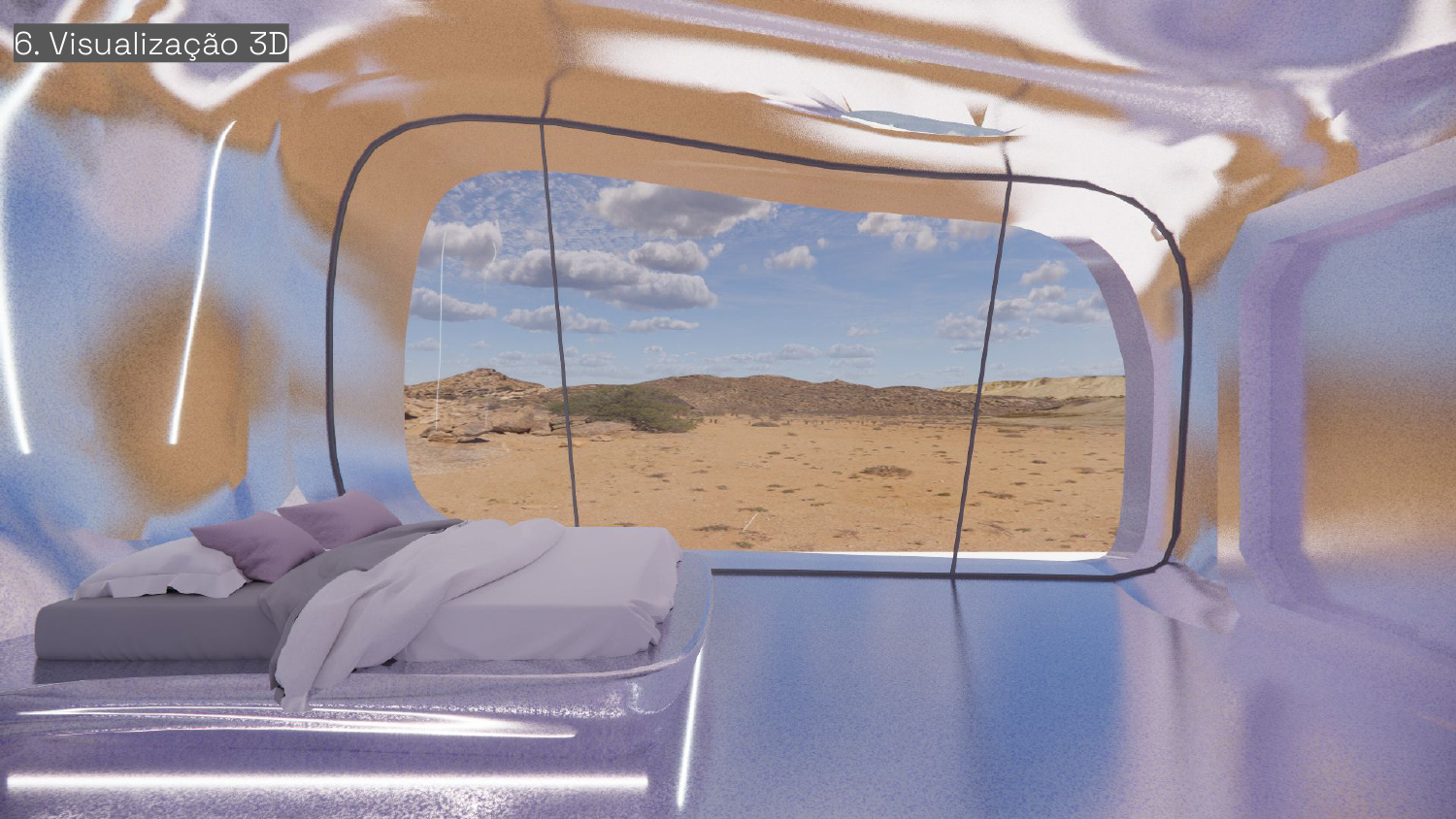
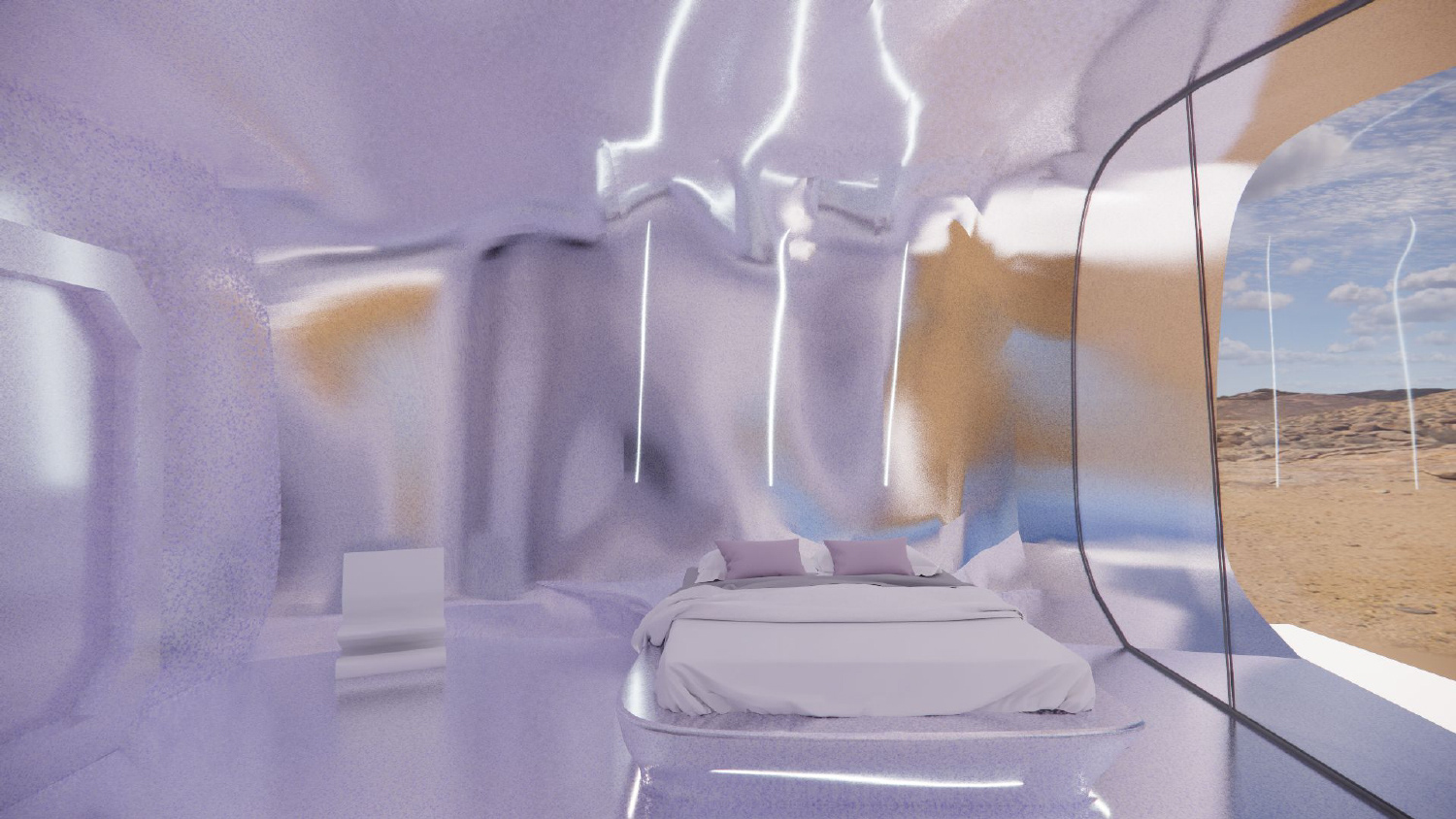
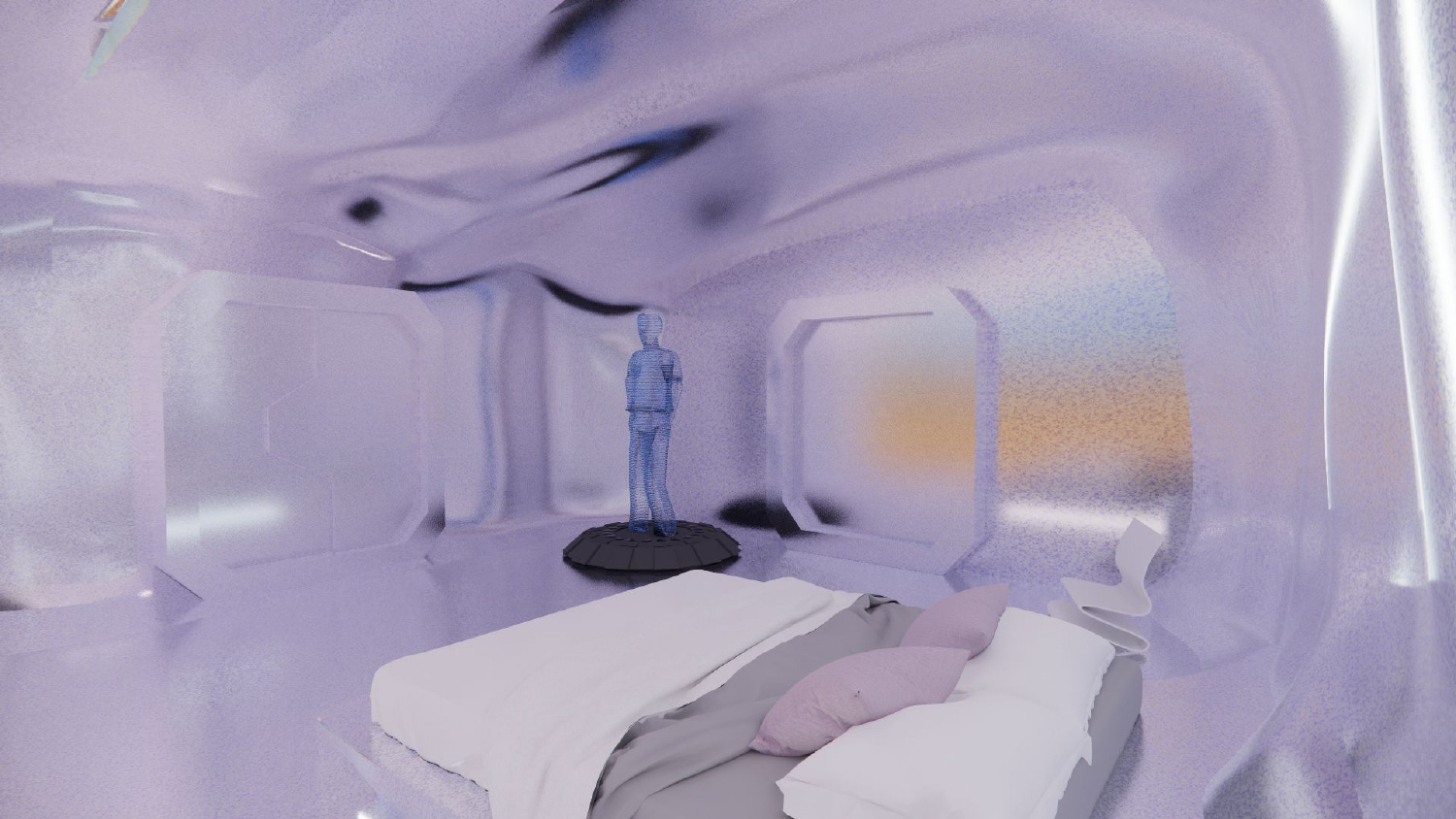
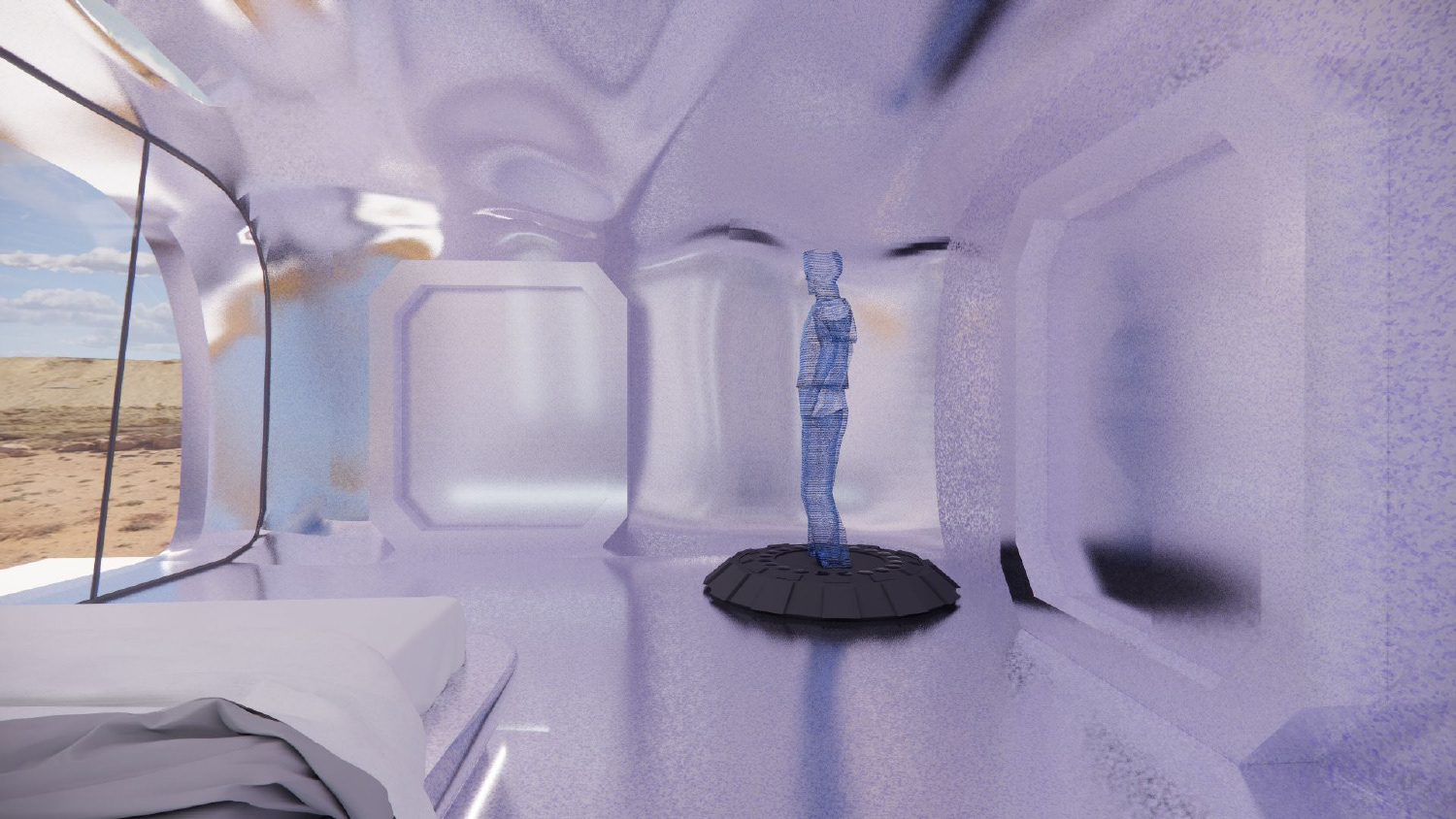
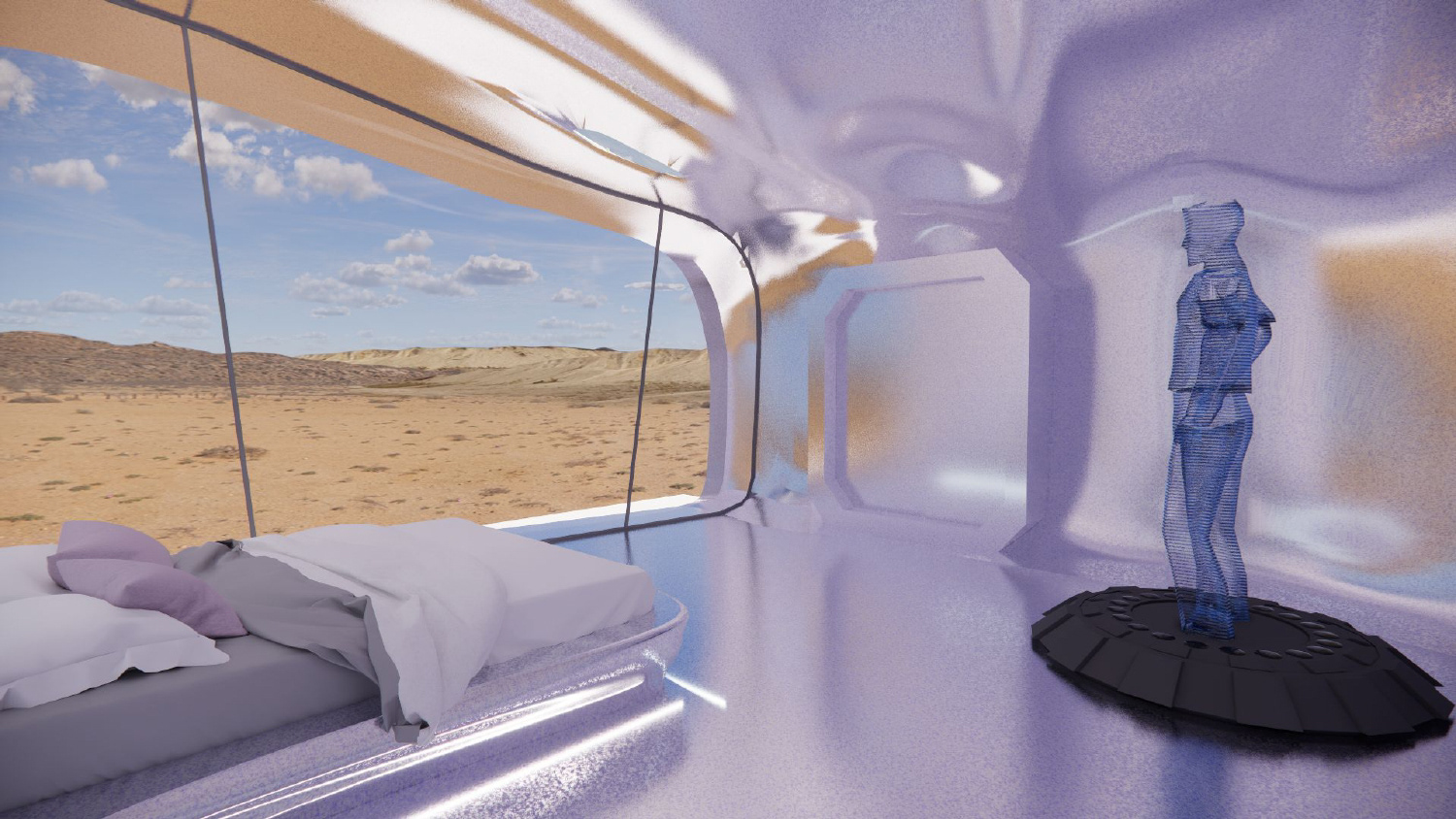
Como desdobramento do projeto, criei em 3D o quarto de Lia adulta: um abrigo minimalista em um planeta desgastado, marcado por formas curvas, clima desértico e apenas o essencial — uma cama, uma cadeira e um suporte para hologramas.
Mais do que uma proposta estética, este projeto foi um exercício de imaginação sobre o que significa ser humano num mundo mediado por máquinas — e como a arte pode antecipar futuros possíveis.
For the "Art Direction in TV, Cinema and Video" course in the Postgraduate Program in Art Direction and Communication, I developed a visual project for the short film Lia and the Angel, based on a script by Elzmann Neves inspired by the poem The Angel, by William Blake.
The proposal was bold: to reimagine the story in a futuristic setting, starting in the year 2100. Instead of a mystical relationship with the supernatural, Lia's connection with the "angel" was reinterpreted as a bond with technology – more precisely with a cyborg. This time shift allowed us to reflect on how much what we consider divine could one day become just... programmable.
The entire art direction was guided by this ambiguity: between cold and affection, metallic and human. Futurism manifests itself in the materials — steel, glass, stone and light surfaces like silver and white — and in the symbolic transformations of the costumes and sets throughout the character's life.
As a child, Lia lives in a more colorful and spontaneous universe. As a teenager, after the conflict with the angel, she immerses herself in dark tones and a cyberpunk aesthetic. In adulthood, when the reunion takes place, white and softness return – signaling healing and reconciliation.
This same emotional logic governs the party's ambiance: it starts with light fabrics, warm colors and rounded shapes; but as Lia feels out of place, the space becomes hard, metallic and bluish. The angel, initially childish, takes on more human contours over time, gradually abandoning its mechanical appearance.
As an extension of the project, I created Lia's adult bedroom in 3D: a minimalist shelter on a worn-out planet, marked by curved shapes, a desert climate and only the essentials — a bed, a chair and a stand for holograms.
More than an aesthetic proposal, this project was an exercise in imagination about what it means to be human in a world mediated by machines — and how art can anticipate possible futures.